
News


Jul 13, 2026
Amvuttra (vutrisiran) rapidly and consistently reduces blood levels of transthyretin (TTR), the disease-causing protein in hereditary transthyretin amyloidosis with…

Jul 13, 2026
AbstractBackgroundTransthyretin amyloid cardiomyopathy (ATTR-CM) is a progressive infiltrative disease of the myocardium. Early diagnosis is essential for the…

Jul 13, 2026
AbstractBackground: In low-flow, low-gradient aortic stenosis (LFLG AS), restricted aortic valve opening may represent either fixed valvular obstruction or flow-…
Jul 13, 2026
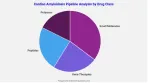
The Cardiac Amyloidosis Pipeline Analysis Report by Expert Market Research gives comprehensive insights into cardiac amyloidosis therapeutics currently undergoing…

Jul 13, 2026
The incidence of polyneuropathy (PN) related to transthyretin amyloidosis (ATTR) among patients with TTR-mediated amyloid cardiomyopathy (ATTR-CM) in…

Jul 12, 2026
AbstractThis viewpoint highlights the critical need for a standardized definition of heart failure (HF) endpoints in clinical trials specific to transthyretin…

Jul 12, 2026
AbstractCardiac immunoglobulin light chain (AL) amyloidosis classically presents with biventricular heart failure and increased wall thickness. Recurrent unilateral…

Jul 10, 2026
AbstractBackground: Transthyretin amyloidosis with cardiomyopathy (ATTR-CM) is underdiagnosed in heart failure with preserved ejection fraction. Although disease-…

Jul 10, 2026
AbstractBackgroundTransthyretin amyloid cardiomyopathy (ATTR-CM) coexists in up to 15% of elderly patients with severe aortic stenosis (AS), presenting complex…

Jul 10, 2026
HighlightsThis is the first published study specifically targeting cardiac amyloidosis screening in patients presenting with coronary artery disease.Screening for…